
MONO 100b&w film
Fine-grain black-and-white.
- Reference
- Fine-grain 100-speed black-and-white film camera
- Format
- 3:2 / 4:3
- Modes
- Photo only
- Pricing
- Paid in-app unlock
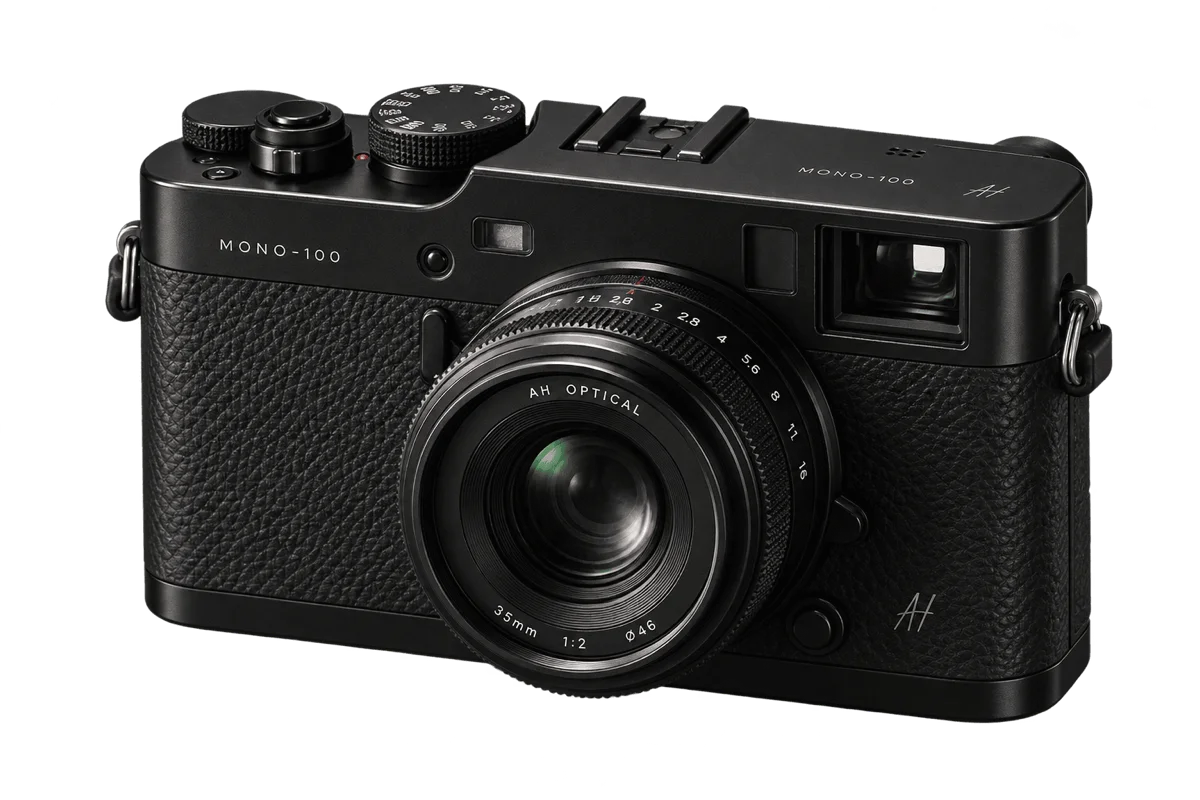
What it simulates
- Yellow-filter luma weights — models what a real B&W film camera does with a yellow filter
- Shoulder curve (0.70 / 0.55) — gentle highlight rolloff
- Fine mono grain (0.18)
- Soft vignette
- Five LUT variations: Soft, Hard, Matte, Punch, Standard
How it behaves at capture
- Photo mode
- Live in the viewfinder, baked at capture
- Variations swap the LUT curve, not the shader — same fine-grain / halation / shoulder stack across all variants
What MONO 100 is
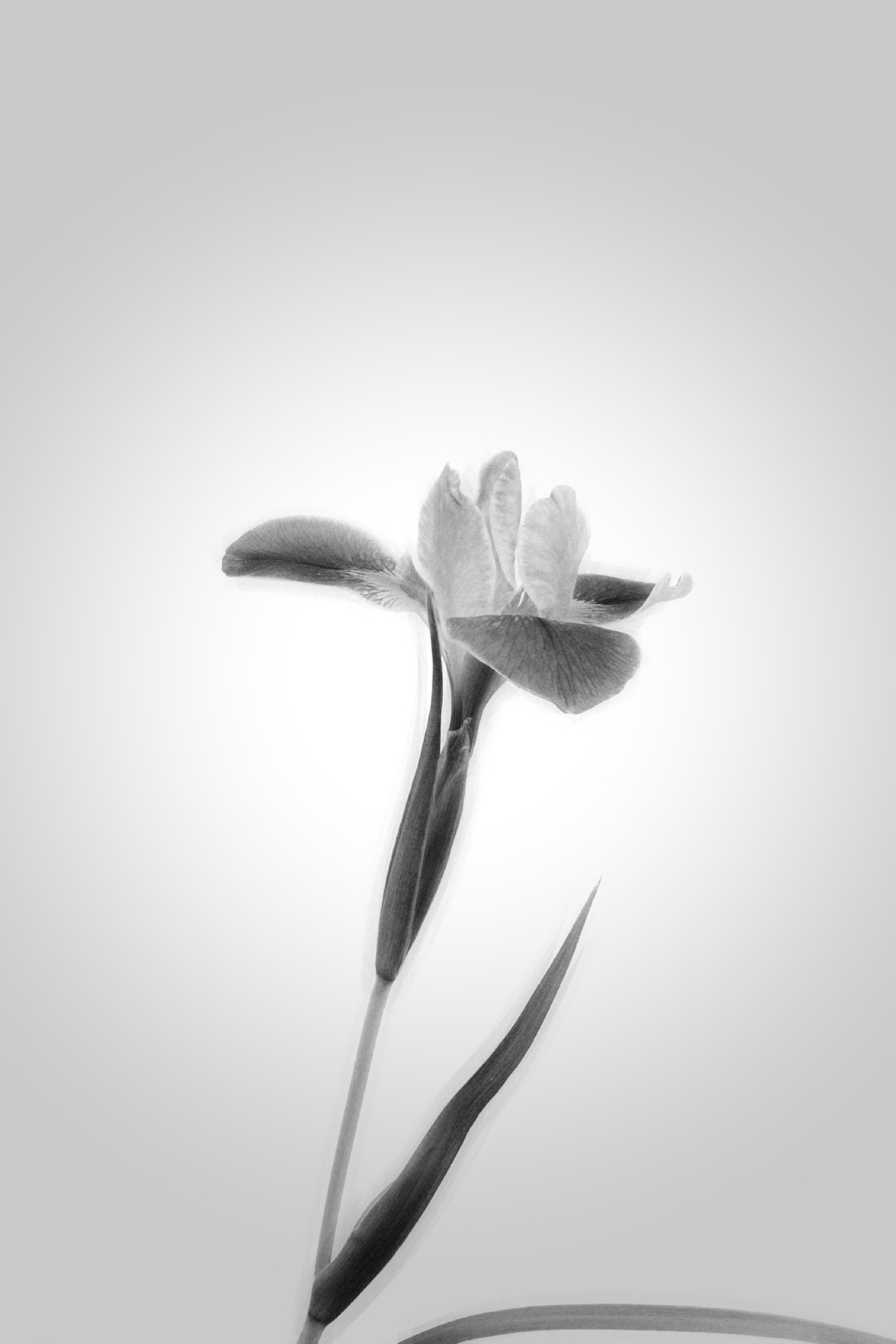
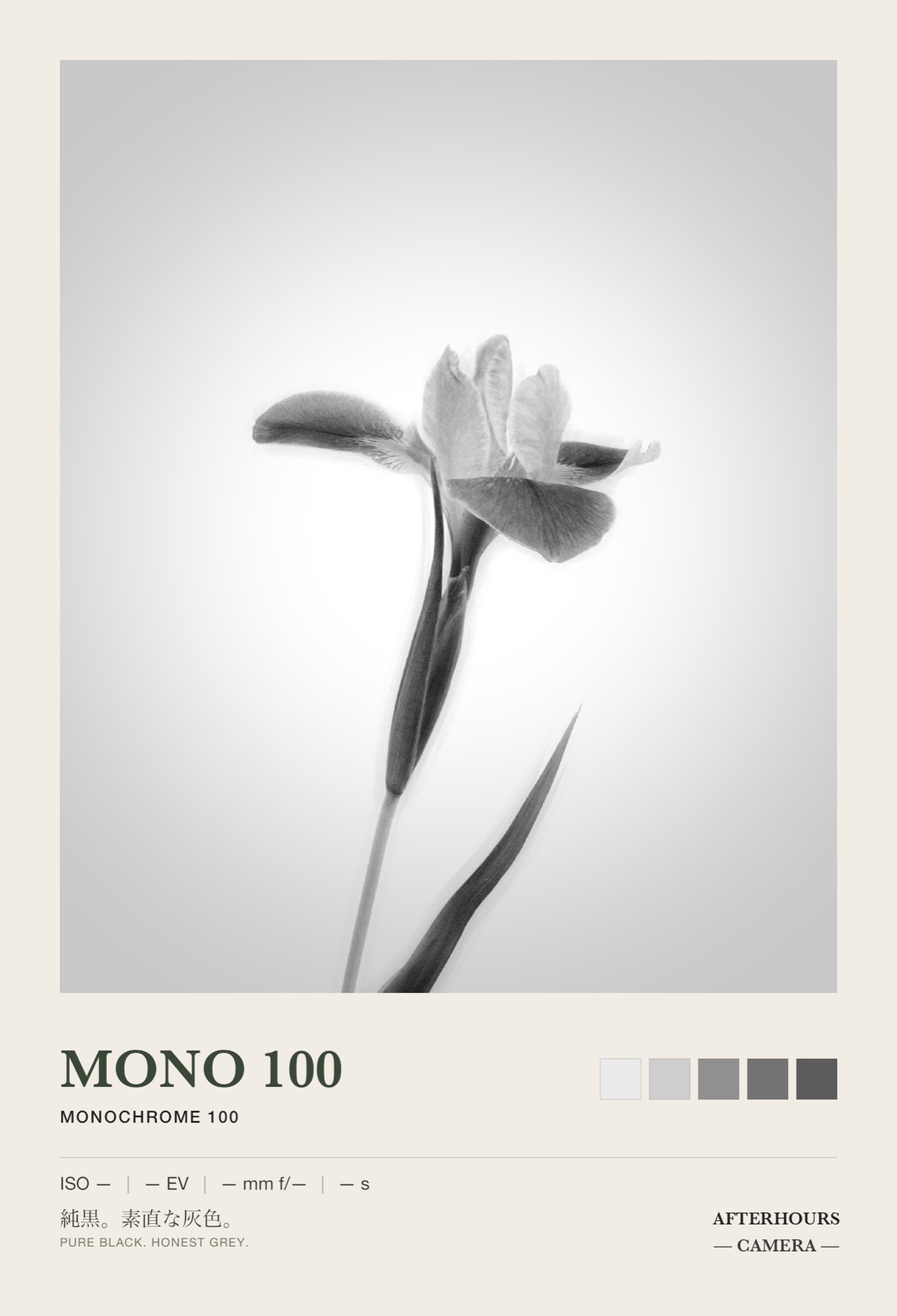
MONO 100 is fine-grain black-and-white film — a 100-speed emulsion shot with a yellow filter. The result is what real B&W photographers spend years chasing: crisp midtones, deep blacks that don't crush, skies that darken cleanly against clouds, and a grain profile that reads as film rather than as noise.
The camera is one part of Afterhours' FILM shelf, which sits alongside the AFTERHOURS shelf but with a sparser device grammar — film-forward shooting is about the material more than the body.
How to shoot with MONO 100
- Point at anything with strong tonal contrast — skies with clouds, high-contrast portraits, architecture with hard shadows.
- Use scene variations for control — Punch when you want crushed blacks, Matte when you want lifted shadows, Standard for balanced tonality.
- Yellow-filter weights favour warm skin tones. Portraits render darker than a naive desaturation would.
See also STILL 02 (natural colour negative) and MORNING 01 (warm negative).
Samples
Frequently asked questions
Why does MONO 100 use yellow-filter luma weights?
Because that's what real B&W film photographers do. Yellow filters block a portion of blue light, which darkens skies and makes clouds pop against them. MONO 100's LUT is built to reflect that — the tonal response you'd get from a real 100-speed film shot with a yellow filter, not a naïve desaturation.
What do the five variations do?
They swap the LUT curve — Soft (gentler contrast), Hard (steeper contrast), Matte (lifted blacks), Punch (crushed shadows), Standard. The shader stages (grain, vignette, shoulder) stay the same. Variations are scene-based, not preset packs.
Is MONO 100 free?
MONO 100 ships on the FILM shelf. Availability follows the FILM shelf's structure. See the app for current pricing.
Published by Afterhours Camera. Reviewed . Corrections and questions: bricksandcanvas@gmail.com.