
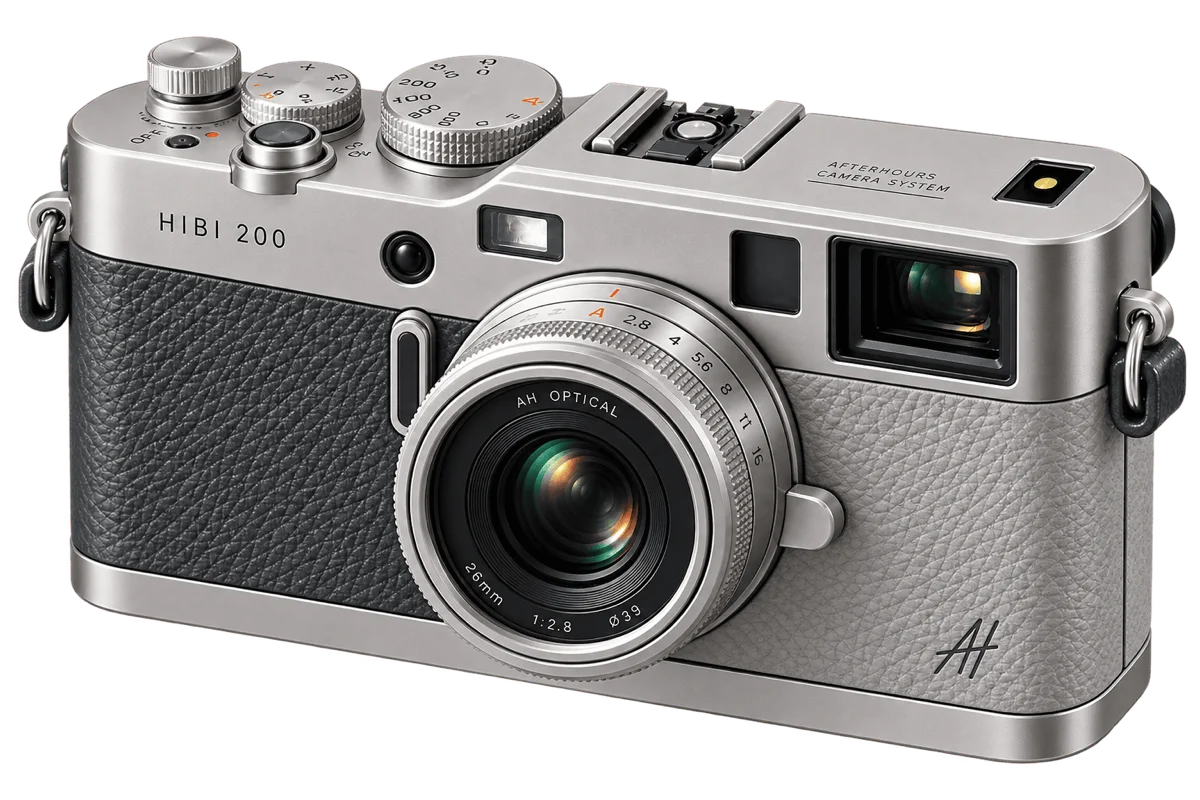
HIBI-200daylight negative
Japanese compact daylight.
- Reference
- Late-90s / early-2000s Japanese premium daylight compact (28mm f/2.8 pancake evocation)
- Format
- 3:2 / 4:3
- Modes
- Photo only
- Pricing
- Paid in-app unlock
What it simulates
- Per-hue colour tables + per-hue luminance lifts (hibiGrade)
- Band-passed shadow bias: R -0.010 / G +0.006 / B +0.014
- Highlight neutralization via smoothstep(0.72, 0.92)
- Cool-clean white balance
- Pre-baked gain: defaultAdjust.gain 1.23 (welded +0.3 EV pre-shoulder)
- Neutral-tint halation (0.88 / 6px / 0.08 — subtle) — replaces vintage-glow which is banned on HIBI-200
- Radial chromatic offset (0.5)
- Fine chroma grain (0.10)
- Variations by lighting condition: Clear, Cloud, Shade, Window, Flash
How it behaves at capture
- Photo mode
- Live in the viewfinder, baked at capture
- Pre-baked +0.3 EV — HIBI-200 exposes slightly bright by default
- Lighting-condition variations tune WB and tone for the scene type
What HIBI-200 is
HIBI-200 is a Japanese daylight compact. The reference isn't a specific camera — it's the class: late-1990s to early-2000s premium compacts with 28mm f/2.8 pancake lenses, cool-clean rendering, and a specific tonal discipline that emphasised skin detail and preserved highlights over lifting shadows. HIBI-200's grading targets that character precisely.
Per-hue luminance behaviour
The hibiGrade stage combines per-hue colour tables with per-hue luminance lifts. Different colours get different brightness treatments — greens read as slightly lifted, blues as slightly deepened, reds as slightly restrained. Band-passed shadow bias (R -0.010 / G +0.006 / B +0.014) preserves the specific coolness of Japanese-compact shadow rendering.
The highlight neutralization stage (smoothstep(0.72, 0.92)) prevents highlight blowouts — bright pixels desaturate toward white smoothly, so an overcast sky doesn't blow to pure white in the exported JPEG.
Clean is the character
Every stage of HIBI-200 is tuned for clean daylight. The halation is neutral-tint, not warm. The WB is cool. The grain is fine chroma (0.10) rather than mono. There's no vintage-glow because vintage-glow is warm, and warm is not what HIBI-200 is.
How to shoot with HIBI-200
- Daylight scenes. HIBI-200 is not a night camera or an interior camera — its metering and colour discipline are tuned for open-air outdoor light.
- Lighting-condition variations tune the WB — Clear for direct sun, Cloud for overcast, Shade for open shade, Window for indoor window light, Flash if you must.
- Portraits benefit from the cool-clean skin rendering. Not for golden-hour warm portraits (use MORNING 01 for that).
See also STILL 02 (natural colour negative) and MORNING 01 (warm negative — opposite direction).
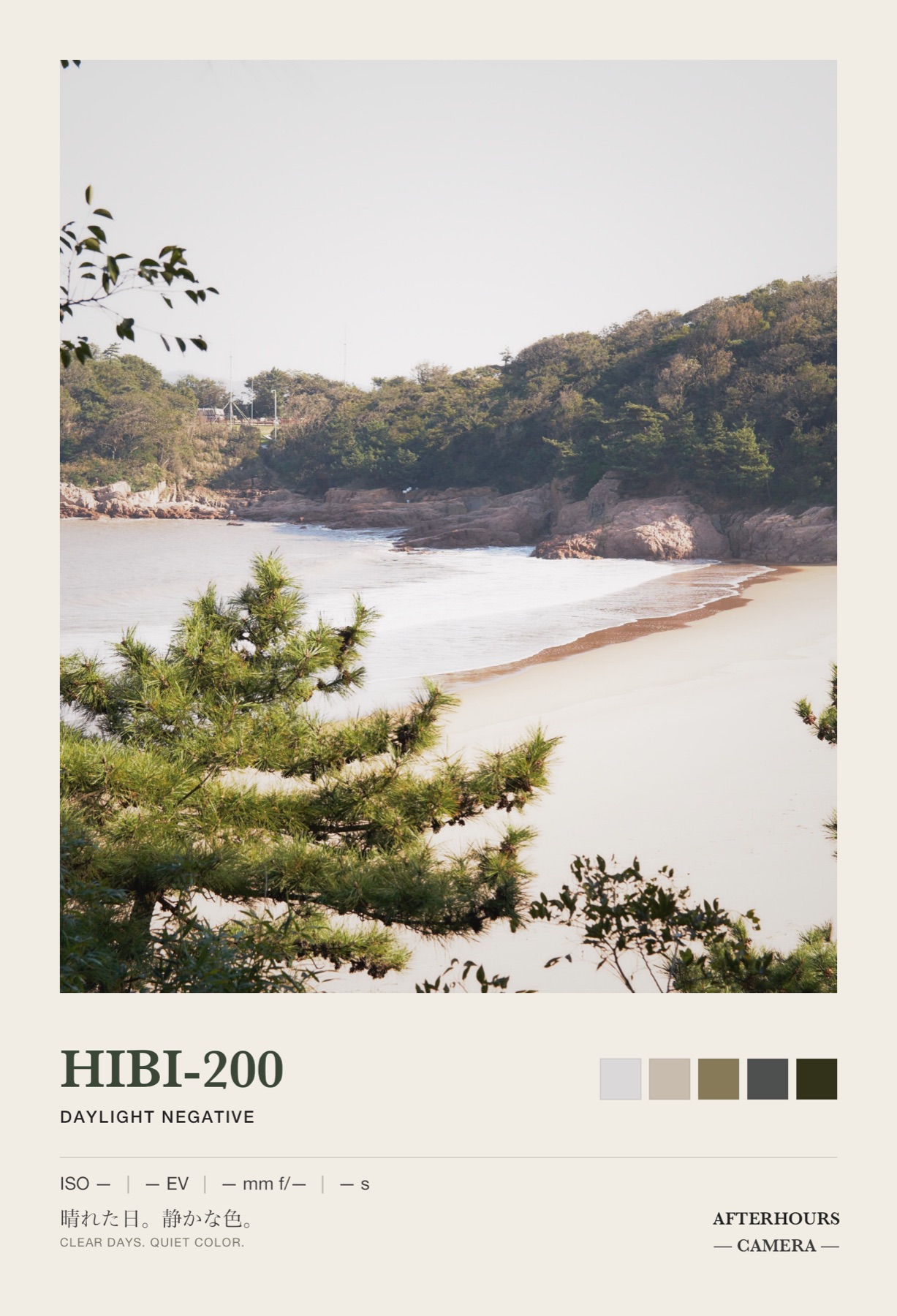
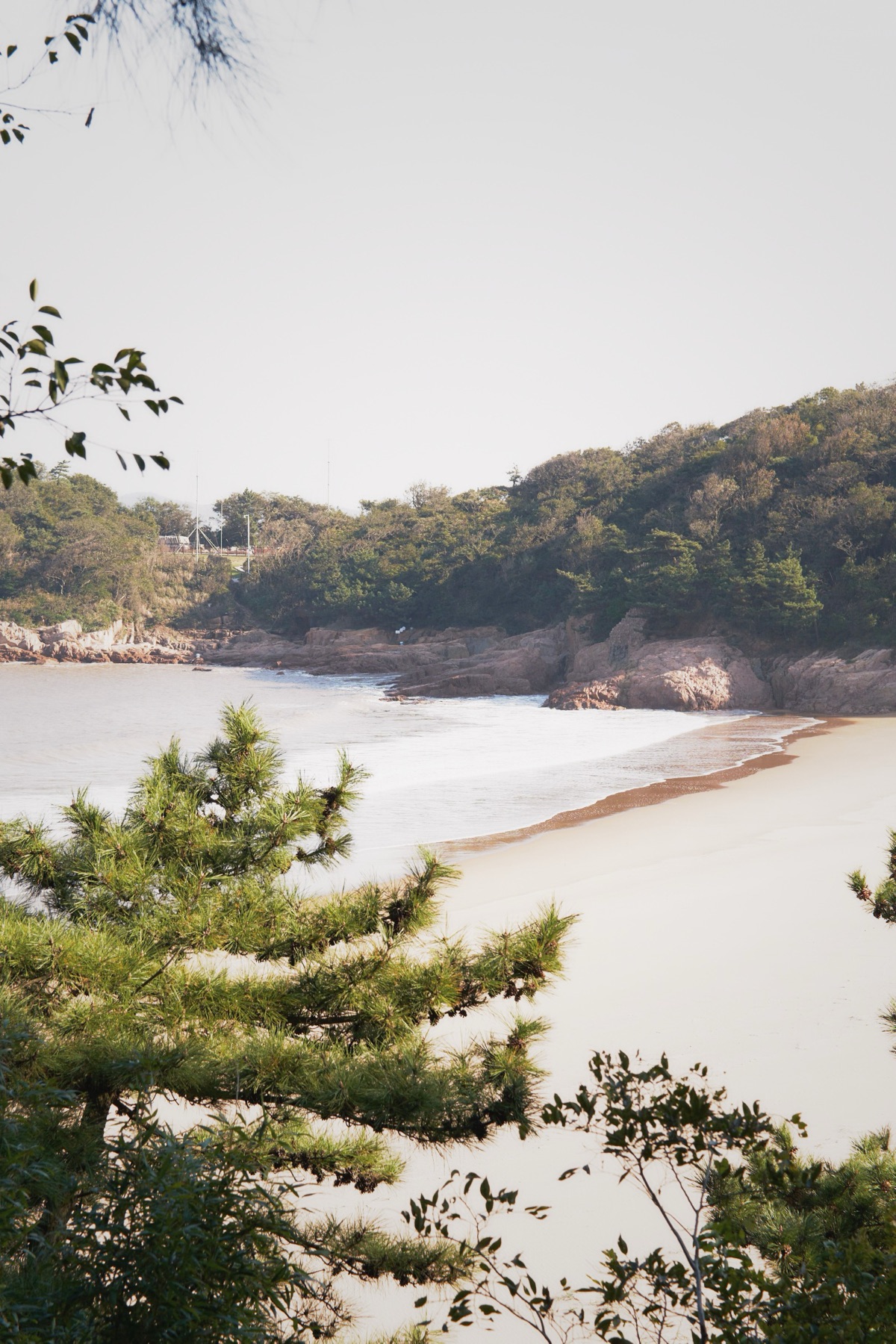
Samples
Frequently asked questions
What is HIBI-200 evoking?
A specific class of late-90s / early-2000s Japanese premium compact — a 28mm f/2.8 pancake-lens body known for clean, cool daylight rendering. Not a specific SKU; the aesthetic class. The Japanese compact of that era prioritised clean colour over dramatic character, and HIBI-200 reflects that.
Why no vintage-glow?
Because the whole point of HIBI-200 is clean. The vintage-glow stage adds warm soft-focus lift — the opposite of Japanese-compact character. HIBI-200 substitutes a neutral-tint halation (barely visible) so highlights hold shape without warm bleed.
Why is HIBI-200 pre-baked bright?
Because premium daylight compacts of that era exposed slightly bright by default — their metering favoured highlight-preserving over shadow-preserving. HIBI-200's defaultAdjust.gain of 1.23 (welded +0.3 EV) preserves that behaviour.
Published by Afterhours Camera. Reviewed . Corrections and questions: bricksandcanvas@gmail.com.